Play is not just fun, it is how young children learn best. We explore the science behind play-based learning and how our nurseries put it into practice every single day.
1What is Play-Based Learning?
Play-based learning is an approach to early education where children gain knowledge and skills through freely chosen, self-directed, and intrinsically motivated play. Rather than sitting at desks completing worksheets, children learn through exploring, creating, role-playing, and interacting with their environment and peers. It sounds simple, but the evidence behind it is profound.
2What the Research Says
Decades of research from organisations including the OECD and Harvard's Center on the Developing Child consistently show that children who experience high-quality play-based early education develop stronger cognitive skills, better emotional regulation, and superior social abilities compared to those in more formal learning environments. Play stimulates the prefrontal cortex, the part of the brain responsible for problem-solving, decision-making, and emotional intelligence.
3The EYFS Framework
In England, all registered early years providers follow the Early Years Foundation Stage (EYFS) framework. The EYFS is built around play-based learning and identifies seven key areas of development: communication and language, physical development, personal, social and emotional development, literacy, maths, understanding the world, and expressive arts and design. At HPDN, everything we do in the nursery is mapped back to these areas.
4How We Bring Play to Life at HPDN
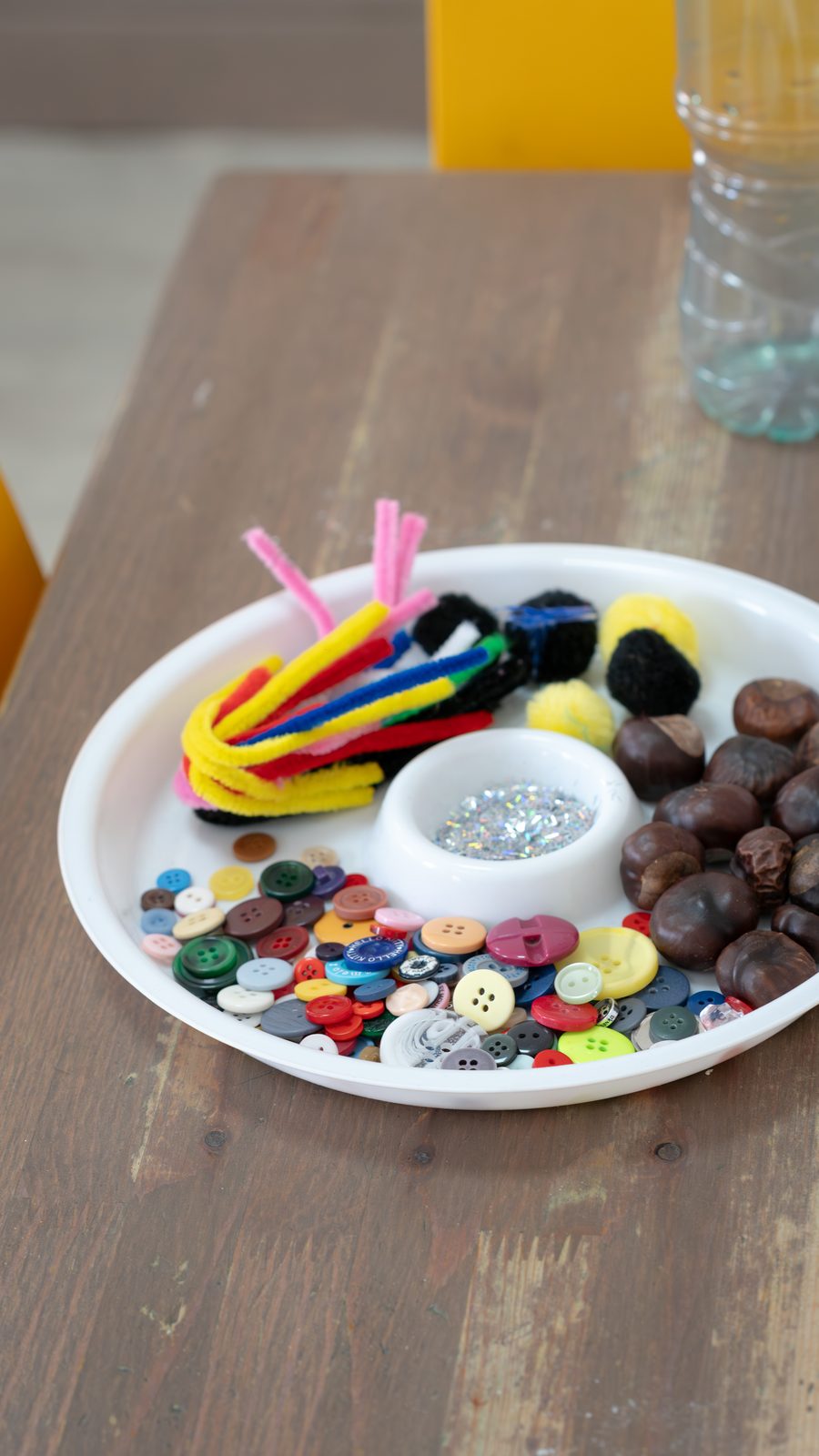
Walk into either of our Leicester nurseries and you will see children building with blocks, exploring water and sand, role-playing in our home corner, making music, painting, growing plants, and learning through story. Our educators are trained to observe each child, extend their curiosity with open-ended questions, and introduce new challenges at exactly the right moment. We follow children's interests rather than imposing a rigid curriculum.
5The Role of the Outdoor Environment
At HPDN, outdoor play is not an add-on, it is central to our curriculum. Fresh air, physical movement, and the natural world provide rich opportunities for learning that simply cannot be replicated indoors. Children who spend time outdoors regularly develop better gross motor skills, stronger immune systems, and a more developed sense of curiosity.
6See It for Yourself
The best way to understand how play-based learning works is to watch it happening. When you visit HPDN, you will see children fully absorbed, challenged, and joyful. That is exactly what learning looks like in the early years. Book a visit and come and see us in action.
Ready to Visit HPDN?
Come and see our nurseries for yourself. Our team would love to meet you and show you around.
Book a Free Visit ✨